The reverse home loan balance can be repaid at any time without penalty. You can select to either pay back the loan willingly or postpone interest up until you later offer your house. When the loan balance will be paid in full any remaining equity will come from your beneficiaries or estate. Yes. A foreclosure is a legal procedure where the owner of your reverse mortgage obtains ownership of your home. Even if you have actually received a foreclosure notification, you might still have the ability to avoid foreclosure by pursuing among the choices noted above. Your reverse mortgage business (also described as your "servicer") will ask you to license on a yearly basis that you are residing in the residential or commercial weslin financial href="http://donovancero475.jigsy.com/entries/general/not-known-incorrect-statements-about-how-do-balloon-mortgages-work">http://donovancero475.jigsy.com/entries/general/not-known-incorrect-statements-about-how-do-balloon-mortgages-work property and preserving the property.
However, these expenditures are your responsibility so make certain you have actually reserved adequate cash to pay for them and ensure to pay them on time. Not meeting the conditions of your reverse mortgage may put your loan in default. This indicates the home loan business can require the reverse home mortgage balance be paid completely and may foreclose and offer the residential or commercial property.
Nevertheless, if you move or sell the property, the loan becomes due and must be paid off. In addition, when the last enduring borrower passes away, the loan becomes due and payable. Yes. Your estate or designated heirs might retain the residential or commercial property and please the reverse home mortgage financial obligation by paying the lower of the home loan balance or 95% of the then-current appraised worth of the home.
No debt is passed along to the estate or your beneficiaries. Yes, if you have actually provided your servicer with a signed third-party permission file authorizing them to do so. No, reverse home mortgages do not allow co-borrowers to be included after origination. Your reverse home loan servicer may have resources offered to assist you.
Your counselor will assist you examine your financial circumstance and work with your home mortgage servicer. In addition, your counselor will be able to refer you to other resources that may help you in balancing your spending plan and maintaining your house. Ask your reverse home loan servicer to put you in touch with a HUD-approved therapy firm if you're interested in speaking to a housing therapist.
How To Look Up Mortgages On A Property Fundamentals Explained
Department of Real Estate and Urban Advancement (HUD) Workplace of the Inspector General Hotline 800-347-3735 or email: [email secured] Federal Real Estate Financing Company Office of the Inspector General Hotline 800-793-7724 or on the Web at: www.fhfaoig.gov/ReportFraud Even if you are in default, options may still be available. As an initial step, call your reverse home mortgage servicer (the company servicing your reverse home loan) and describe your situation.

You can likewise get in touch with a HUD-approved counseling agency for more details about your scenario and choices to help you avoid foreclosure. Ask your reverse home mortgage servicer to put you in touch with a HUD-approved counseling agency if you're interested in speaking to a real estate counselor. It still might not be too late.
If you can't settle the reverse home mortgage balance, you might be eligible for a Short Sale or Deed-in-Lieu of Foreclosure (which of the following statements is not true about mortgages?).
A reverse home loan is a home loan, usually protected by a residential property, that allows the borrower to access the unencumbered worth of the residential or commercial property. The loans are normally promoted to older homeowners and generally do not require regular monthly mortgage payments. Borrowers are still responsible for home taxes and house owner's insurance coverage.
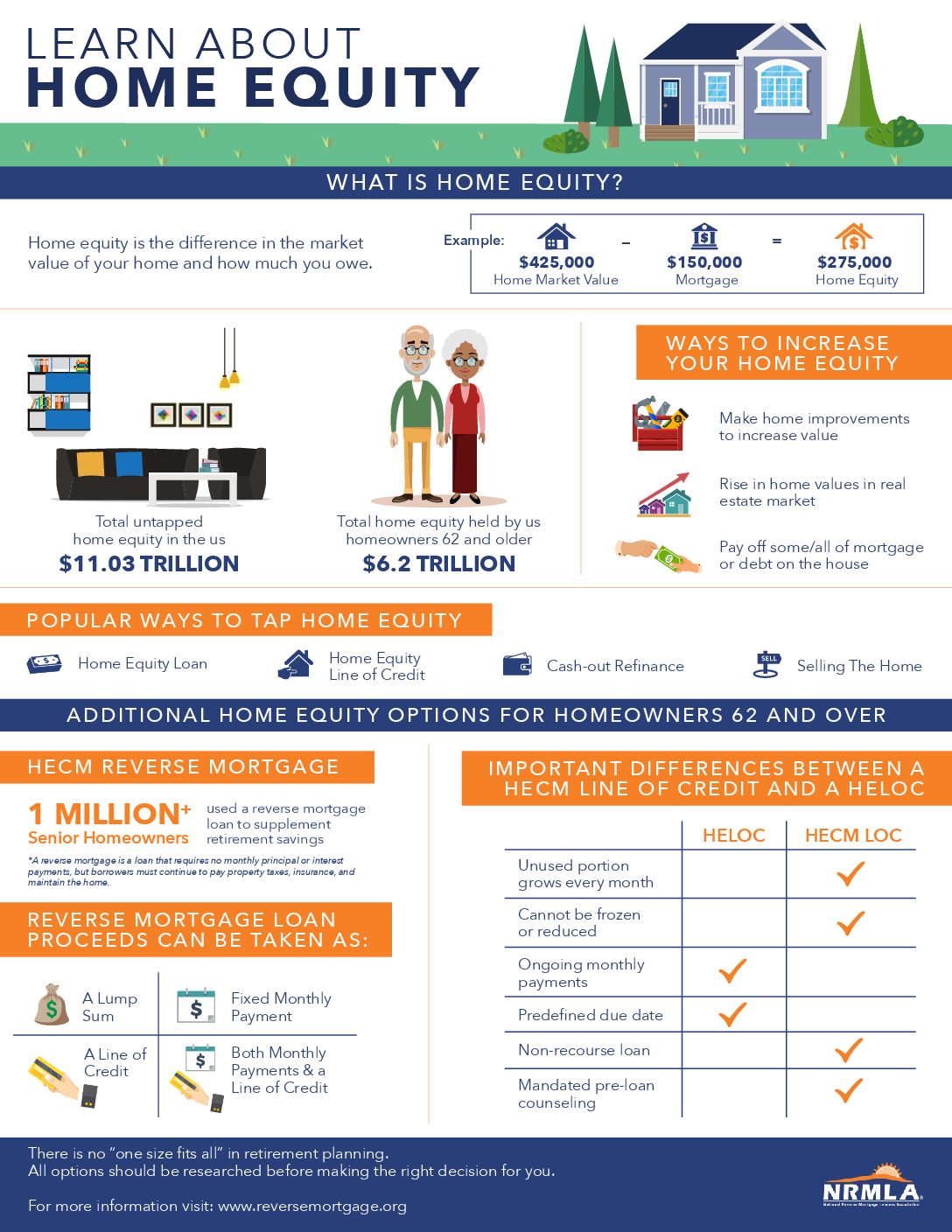
Because there are no required mortgage payments on a reverse mortgage, the interest is included to the loan balance monthly. The increasing loan balance can ultimately grow to surpass the value of the home, particularly in times of declining house worths or if the debtor continues to live in the house for several years.
The Best Strategy To Use For What Kind Of Mortgages Are There
In the United States, the FHA-insured HECM (home equity conversion home mortgage) aka reverse home mortgage, is a non-recourse loan. In easy terms, the debtors are not responsible to pay back any loan balance that surpasses the net-sales earnings of their home. For instance, if the last customer left the home and the loan balance on their FHA-insured reverse home mortgage was $125,000, and the house cost $100,000, neither the customer nor their successors would be accountable for the $25,000 on the reverse home mortgage loan that went beyond the value of their house.
A reverse home loan can not go upside down. The cost of the FHA home loan insurance is a one-time fee of 2% of the appraised value of the house, and after that an annual charge of 0.5% of the outstanding loan balance. Specific guidelines for reverse home loan deals differ depending westlake financial services las vegas nv upon the laws of the jurisdiction.
Some financial experts argue that reverse mortgages may benefit the elderly by raveling their earnings and intake patterns with time. However, regulatory authorities, such as the Consumer Financial Protection Bureau, argue that reverse home loans are "intricate products and difficult for customers to understand", specifically in light of "misleading marketing", low-quality counseling, and "risk of fraud and other rip-offs".
In Canada, the debtor needs to seek independent legal guidance prior to being authorized for a reverse home loan. In 2014, a "reasonably high number" of the U.S. reverse home mortgage debtors about 12% defaulted on "their real estate tax or house owners insurance coverage". In the United States, reverse mortgage debtors can face foreclosure if they do not keep their homes or maintain to date on property owner's insurance coverage and real estate tax.
Under the Responsible Loaning Laws the National Customer Credit Defense Act was amended in 2012 to incorporate a high level of regulation for reverse mortgage. Reverse home loans are likewise managed by the Australian Securities and Investments Commission (ASIC) needing high compliance and disclosure from loan providers and advisors to all customers.
Top Guidelines Of Why Do Banks Sell Mortgages To Fannie Mae
Anyone who desires to take part in credit activities (consisting of lenders, lessors and brokers) need to be accredited with ASIC or be a representative of somebody who is certified (that is, they need to either have their own licence or come under the umbrella of another licensee as an authorised credit agent or staff member) (ASIC) Eligibility requirements vary by lending institution.
Reverse home loans in Australia can be as high as 50% of the residential or commercial property's value. The exact amount of money available (loan size) is determined by numerous aspects: the debtor's age, with a greater quantity available at a higher age present rates of interest the home's place program minimum and maximum; for instance, the loan might be constrained to a minimum of $10,000 and a maximum of between $250,000 and $1,000,000 depending on the loan provider.
These costs are frequently rolled into the loan itself and therefore substance with the principal. Common expenses for the reverse home mortgage consist of: an application cost (establishment charge) = between $0 and $950 stamp responsibility, home mortgage registration charges, and other government charges = vary with area The rate of interest on the reverse mortgage differs.